Primum non nocere
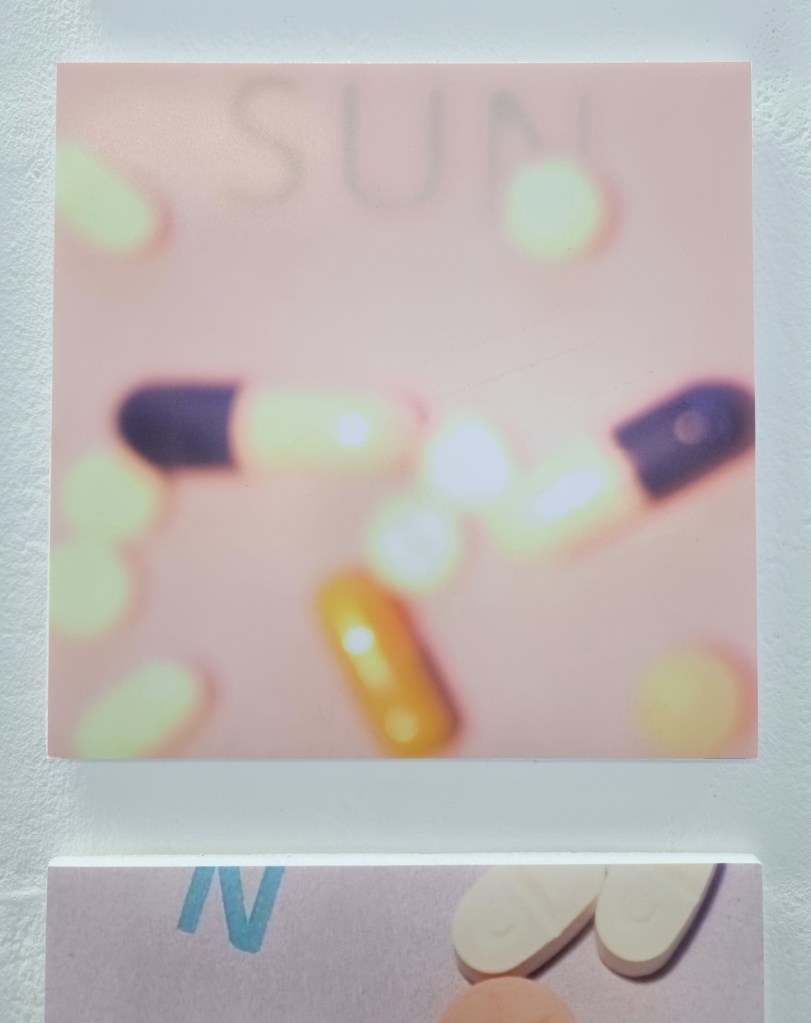
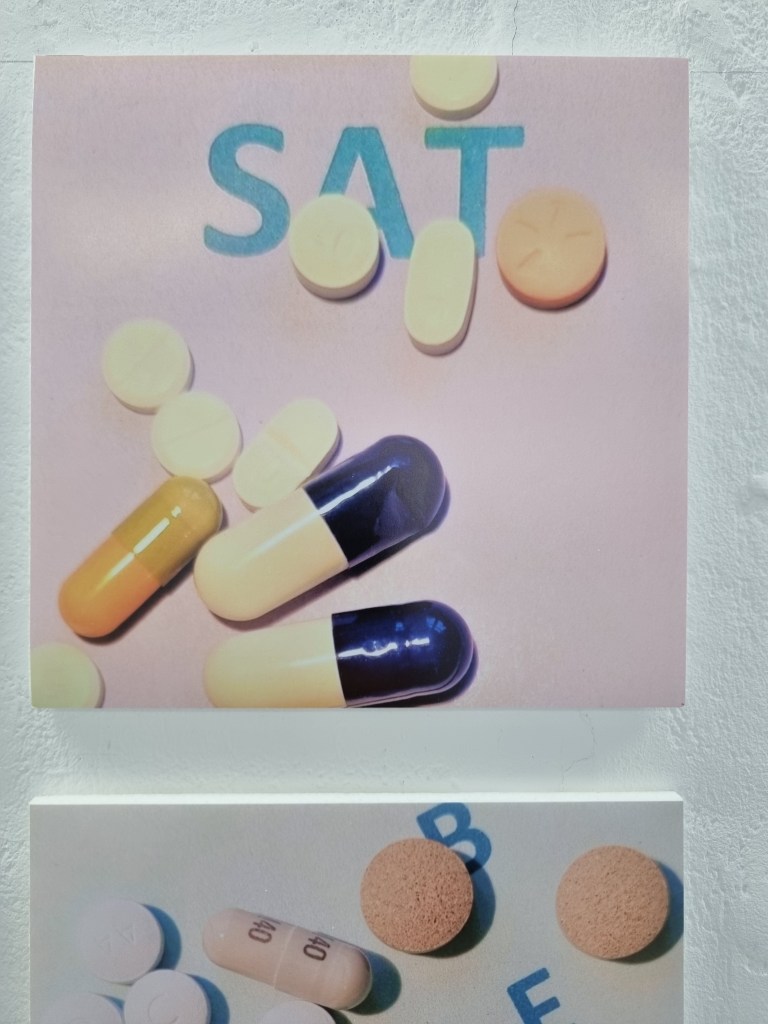
These are the tablets that my father was taking in the weeks before he died, aged 84, in October 2022. Seventeen different types of tablet. Thirty two tablets per day. But they didn’t control his pain or suffering. They just kept him alive. Each photograph contains some of the contents of each container of his tablet box.
The work speaks of the inadvertent cruelty of modern medicine – which insists on prolonging life no matter how much suffering or futility. A violation of the most important promise of the Hippocratic Oath.
”Primum non nocere” – ”First do no harm”
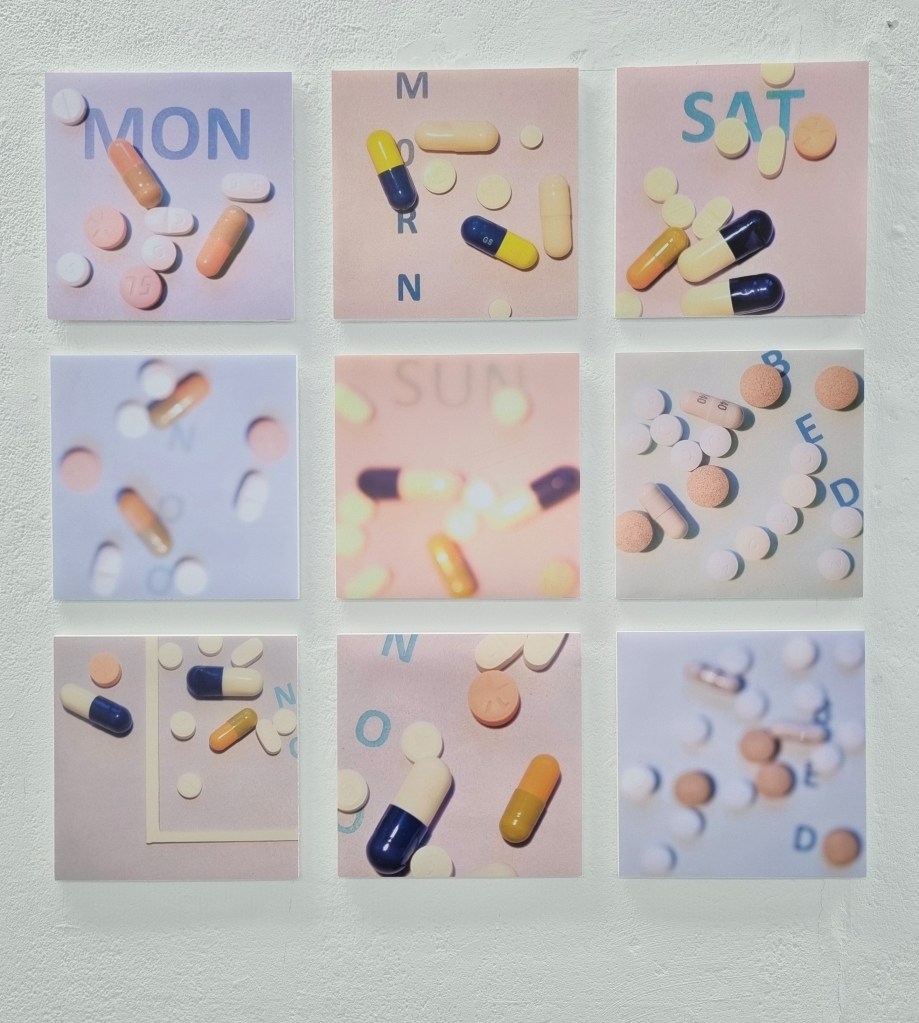
Primum non nocere Julia Hopkinson 2022
Digital photographs printed on Premium Photo Satin paper. Each photograph 21x21cm. Individually mounted on 3mm foam board
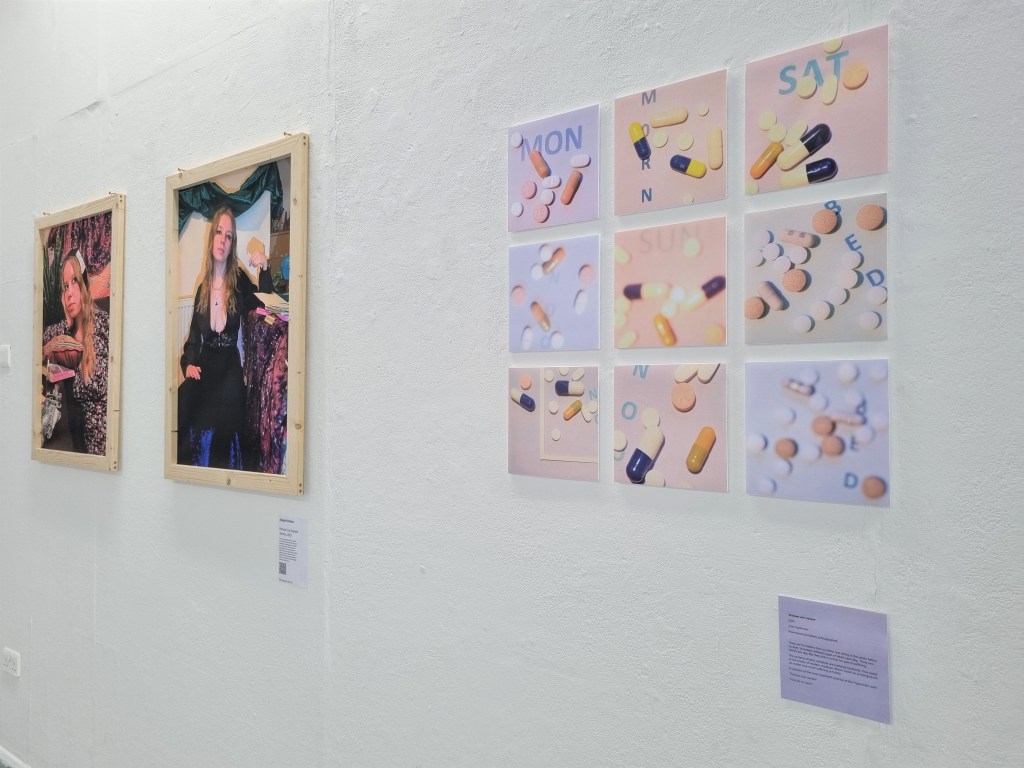
As exhibited in the November 2022 RSA exhibition
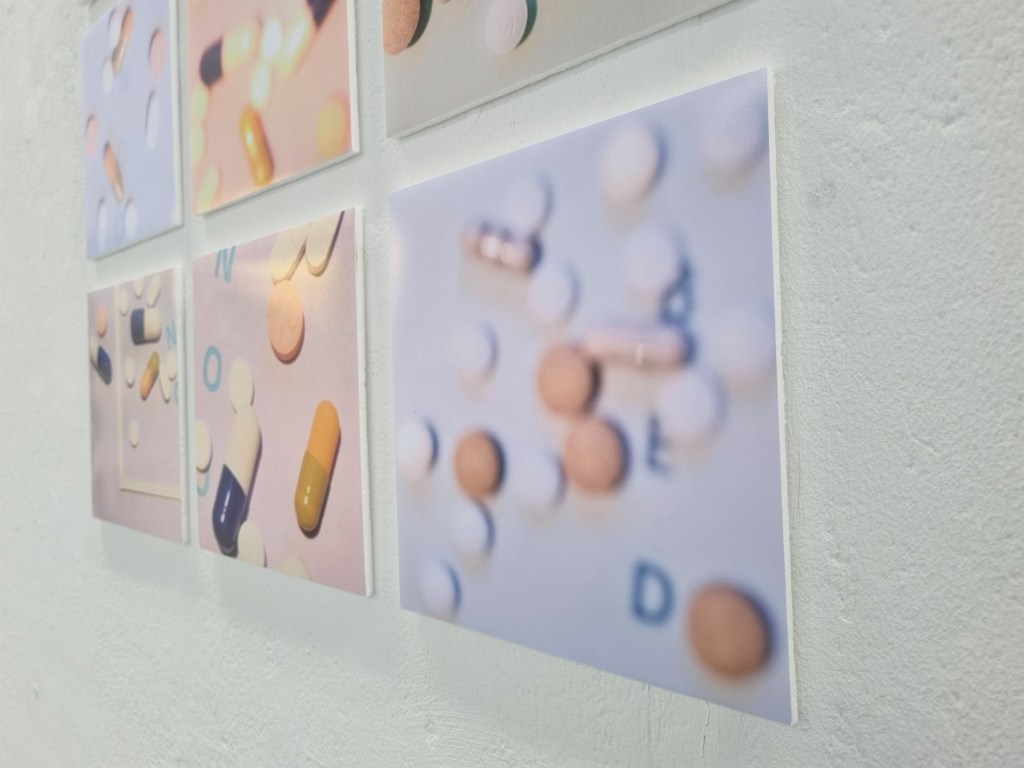
Below: details of some of the individual photographs
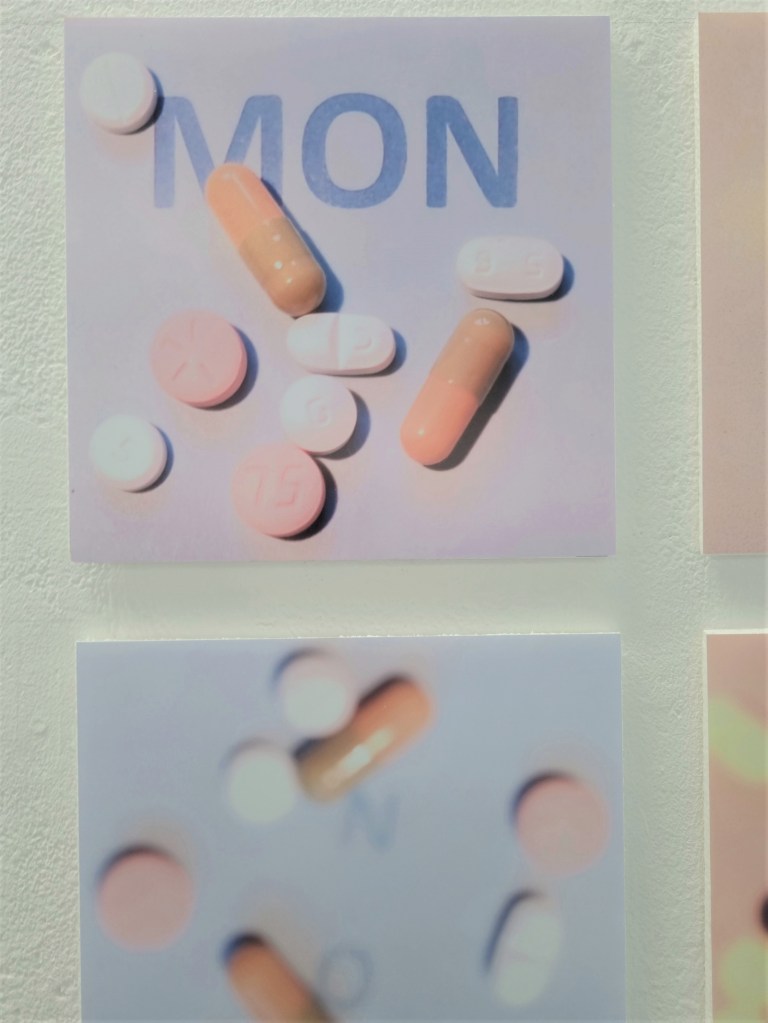
Statement by the artist presented alongside the work
The work continues the exploration of the use of chance in the creative process. The process of making the images involved the deliberate use of chance – the random pattern that the tablets fell into when tipped out of each container. Continuing to explore how chance and structure can work together it also employs a strict system – the tablets of each container are kept separate and photographed separately. And then each image cropped into a uniform shape and size. Although there is an element of chance in the creative process, many artistic decisions have also been involved. The colour palette is an intentional choice – the result of the background paper used when taking the shot and the application of filters. Some of the images have been intentionally blurred and enlarged. They have been set out in a very deliberate neat grid.
This work, and the others that follow in this series, explore the interplay of chance and structure in the creative process. The tension between the drive to impose control and the release of going with the flow.
Crucially, the work has an existential dimension. It addresses the human need to impose control on our lives. Deeply disturbed by chaos and chance we attempt to take control – trying to make plans for our future as well as trying to control the small matters of our day to day lives. Now, with modern medicine so advanced in treating the inevitable ills of old age – like heart conditions and blood pressure – we have reached a position where the medical profession is controlling how long people live. Extending this to way beyond the natural course of life. Is this truly beneficial? Or actually harmful?
The piece references Pop Art in it’s aesthetics – it’s use of appealing enhanced colours and the use of text. The presentation references John Baldessari’s work ‘Throwing 3 Balls in the Air to get a Straight Line’ in the use of visually appealing high quality prints and a grid layout.
The presentation is also Modernist in it’s use of a grid layout. Setting it in a Modernist frame of reference brings into the work a dilemma and tension – contrasting Modernist ideals for a better future (the advancement of medicine) with the miserable actuality of the prolonged endurance of painful old age. Nature not allowed to take it’s natural course. The use of the grid imposes the order of geometry which takes the images further away from a natural state. As Rosalind Krauss puts in the chapter Grids in her her book Modernist Myths ”Flattened, geometricized, ordered (the grid) is antinatural, antimimetic, antireal’
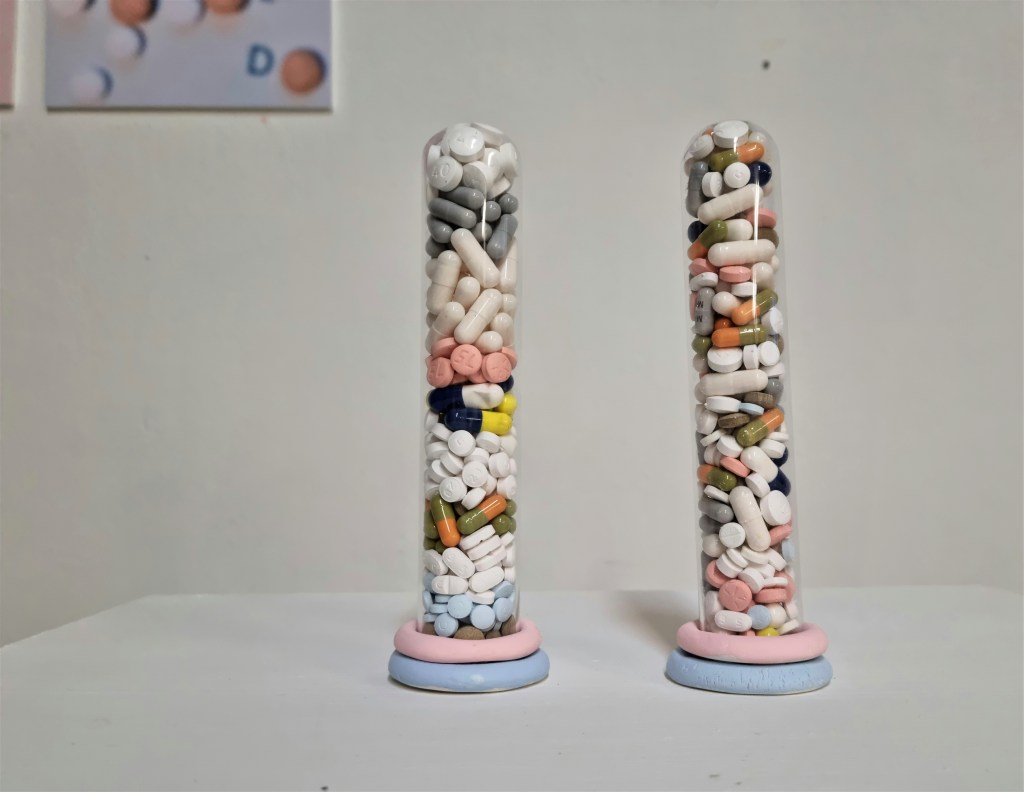
Primum non nocere #2 Julia Hopkinson 2022
Pharmaceutical tablets, glass, modelling clay, gouache Each piece 18cm x 3cm
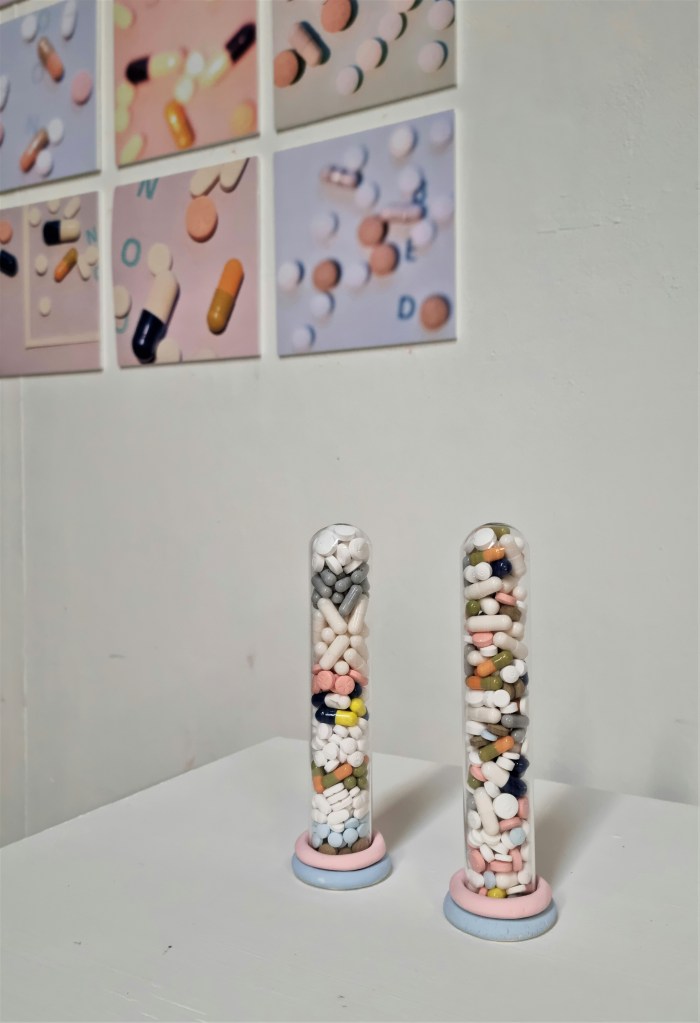
As installed in RSA Studio December 2022
This installation is a visualisation of the opposing states of order and chaos. In one tube the tablets are neatly layered – separated and ordered. In the other they are randomly mixed up – literally the result of an ordered tube being shaken up violently.
The forms recall the sand tubes that were popular souvenirs on the Isle of Wight when I was a child. A childhood association with fun, carefree, happy times. A poignant contrast with the world-weariness and sadness of old age.
Visually, in both the sand tubes and in the tablet version, the neat layers of contrasting colours have a pleasing appeal. Human beings are attracted to order. We crave it. So we create it. Then comes a deep desire to maintain it – not to allow the layers to ever be shaken up and spoilt. As in life, though ultimately futile we strive to maintain control.
Key research sources:
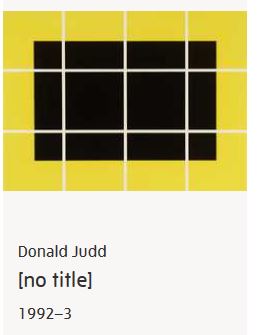
Donald Judd (click for details)
Sol Lewitt
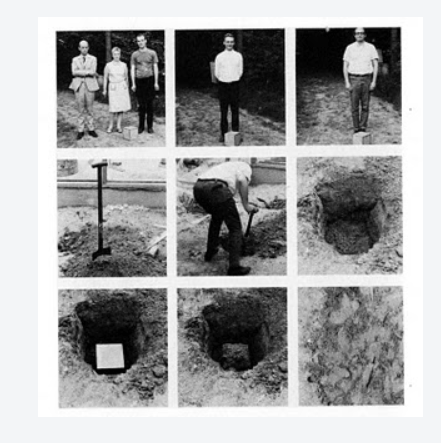
Buried Cube Containing an Object of Importance but Little Value
Sol LeWitt 1968
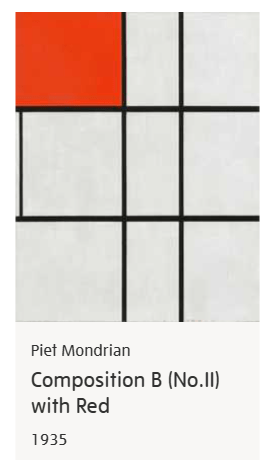
Piet Mondrian
 Julia Hopkinson Studio Work