The works chosen for the degree show continued my interrogation of the ethical dilemmas of modern life-extending medication – using the vocabulary of the earlier works.
The Primum non nocere Wall Installation is extended, with the addition of a section that replaces the soothing colour palette with those associated with danger and warnings – yellow, red and black. The ordered geometric layout eventually starts to breakdown so that it starts to fall apart – quite literally falling to the floor. And the colours are faded out into eventual white. Both wall pieces are larger (involve more elements) than the previous installation. Again the pattern of the pieces is a faithful replication of the braille on medication packages – this time Valstartan and Furosemide.
The work presents opposing reactions to the drugs – alert recoil versus the acquiescence of passivity. Eventually this tension is resolved by the calm white of oblivion on the third wall – letting go of the struggle.
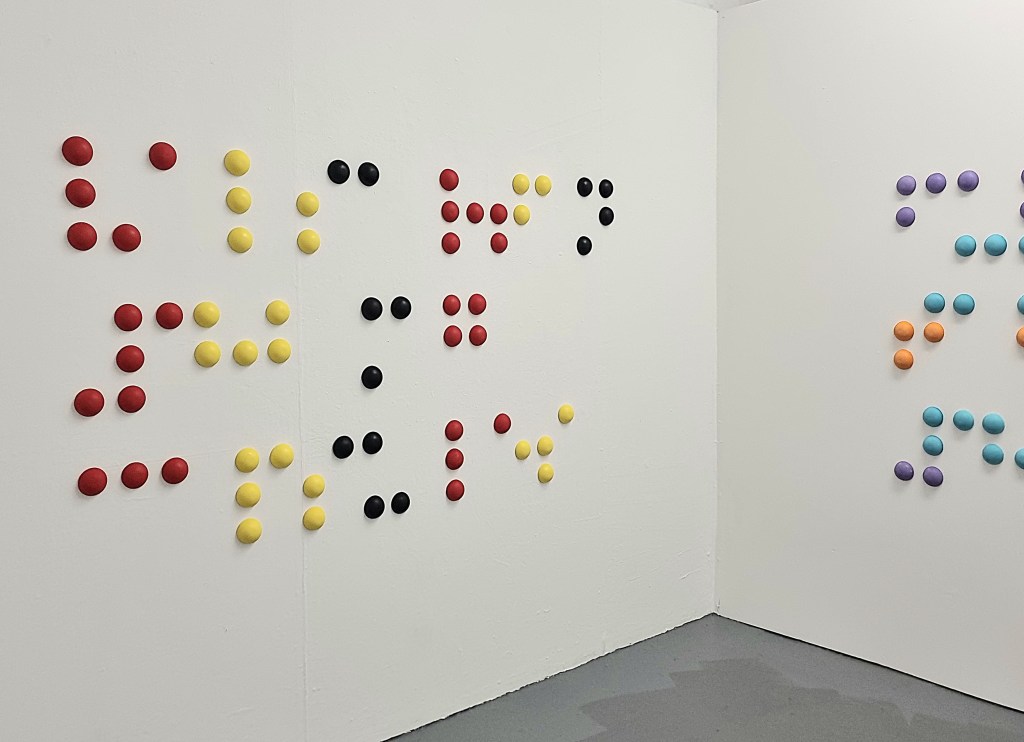
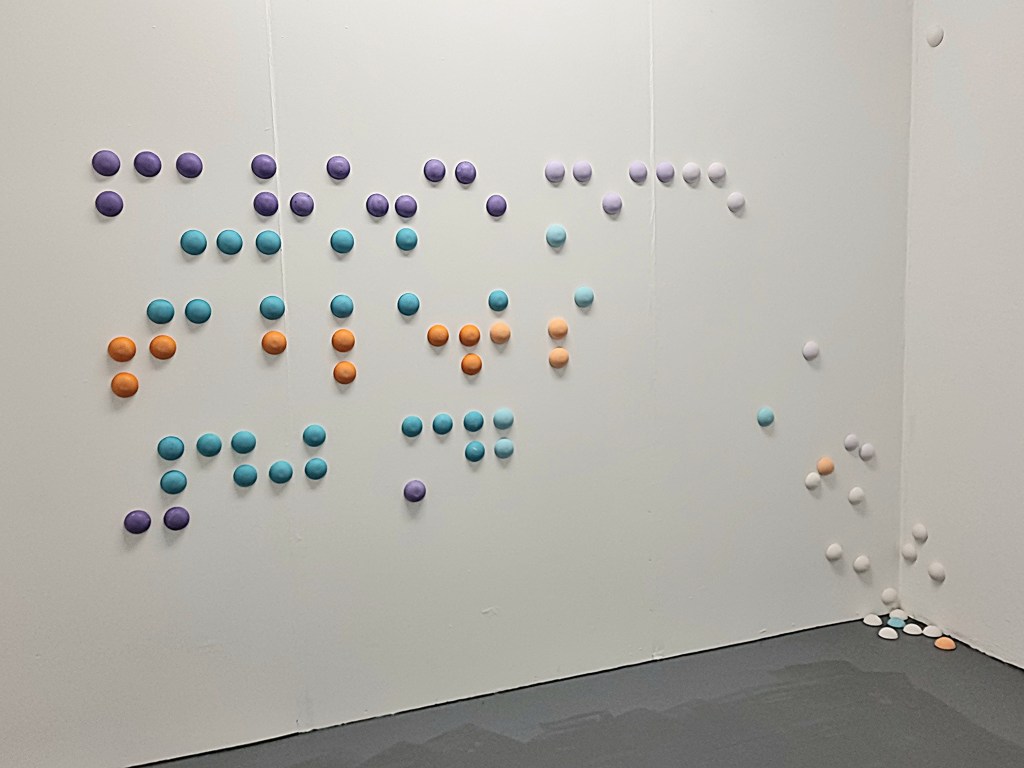
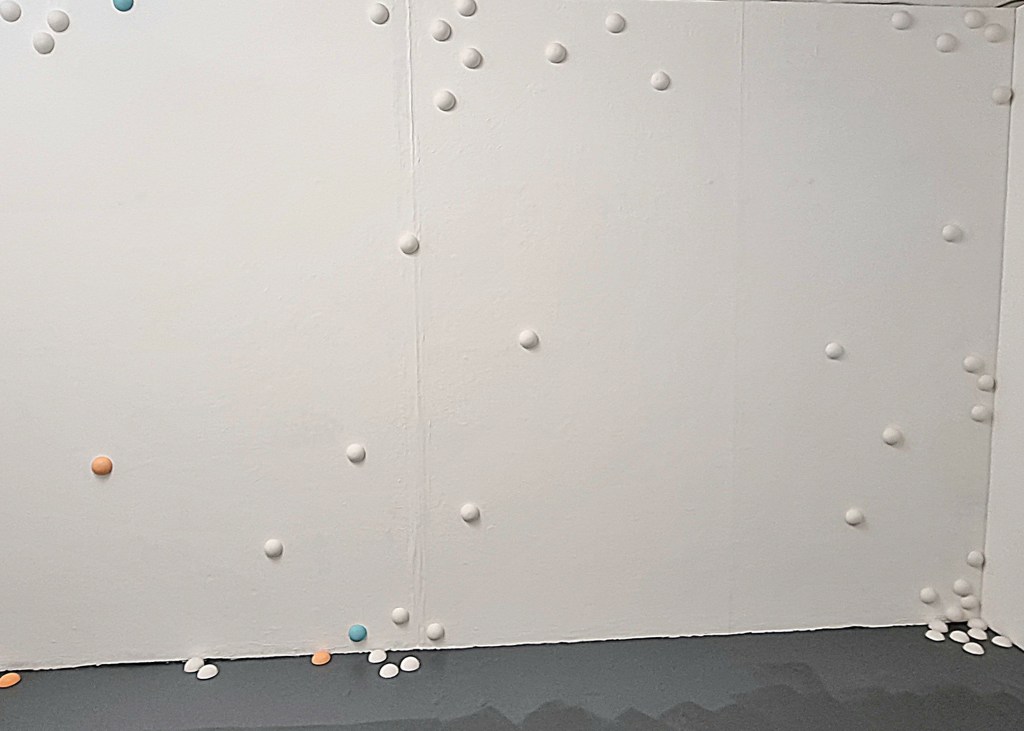
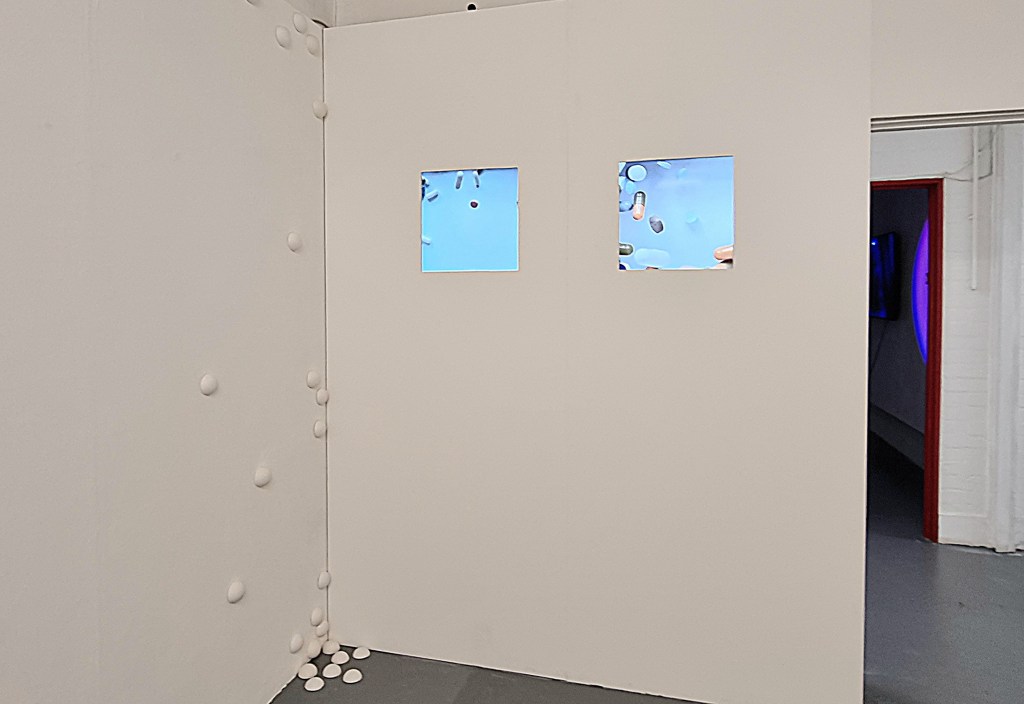
Each wall piece 110 x 190 cm
The wall installation is accompanied by two films playing on TV screens. Medication is displayed initially in an ordered tight layout – each type of medication in a neat line, one line of tablets below another line. As the film progresses the lines become disrupted and the structure begins to break down. Ultimately the whole structure breaks down in a violent destruction of the system and the ejection of all the tablets from the space. An angry response to the reality that the idealist ‘modernist’ aims of medicine – to improve life – can now result in the opposite.
Primum non nocere #5 Video with soundtrack Shot in 1:1 ratio Duration 1.35 mins
Primum non nocere #6 Video with soundtrack Shot in 1:1 ratio Duration 1.03 mins
Both films run simultaneously on 38cm square TV screens
For the exhibition the sound track was dropped as I decided that it detracted from the visual focus of the overall work.
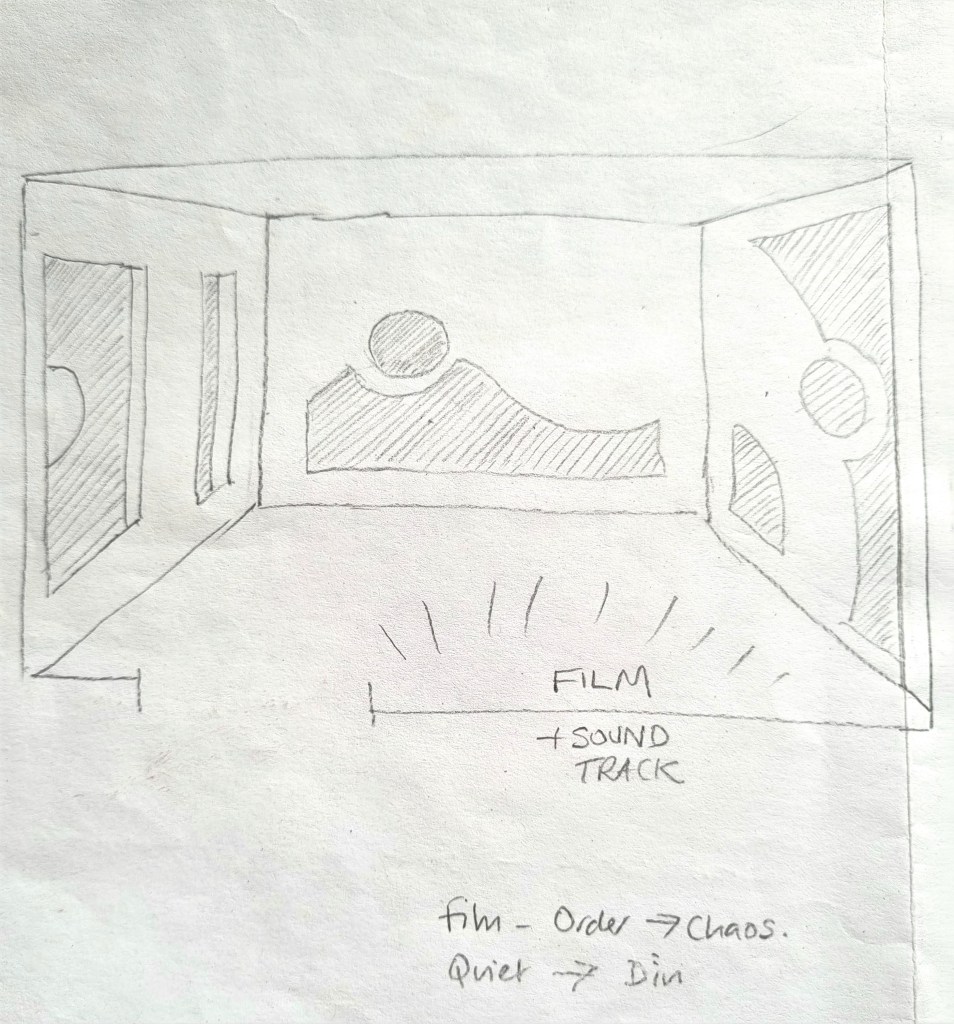
This installation required substantial modifications to the room. As the work is modernist and minimalist it is important that it is presented in a clean pristine room – so a full false wall was needed over the wall with the window. And the two TV screens were boxed into a false wall construction so that the bodies of the TV’s/cabling etc are not visible.
In developing the final films many trial versions were made. Experimenting with different focal lengths, film ratios, variations in speed, different lightings, and cutting sections of the film then re-assembling these into a longer linked film.
In a trial version slow motion, close up sections into the real time version were inserted into the main film. Doing this killed the momentum and crescendo of the destructive force of the film. But as the slow motion and close up sections are very interesting a decision was made to keep the two types of film separate and run them simultaneously as two different experiences.
Below are some stills from the films. Capturing moments in time gives an ethereal effect – this strange state of limbo. I considered adding some of these stills into the exhibition – as high quality mounted prints. But I decided that this would be trying to put too much into the exhibition.
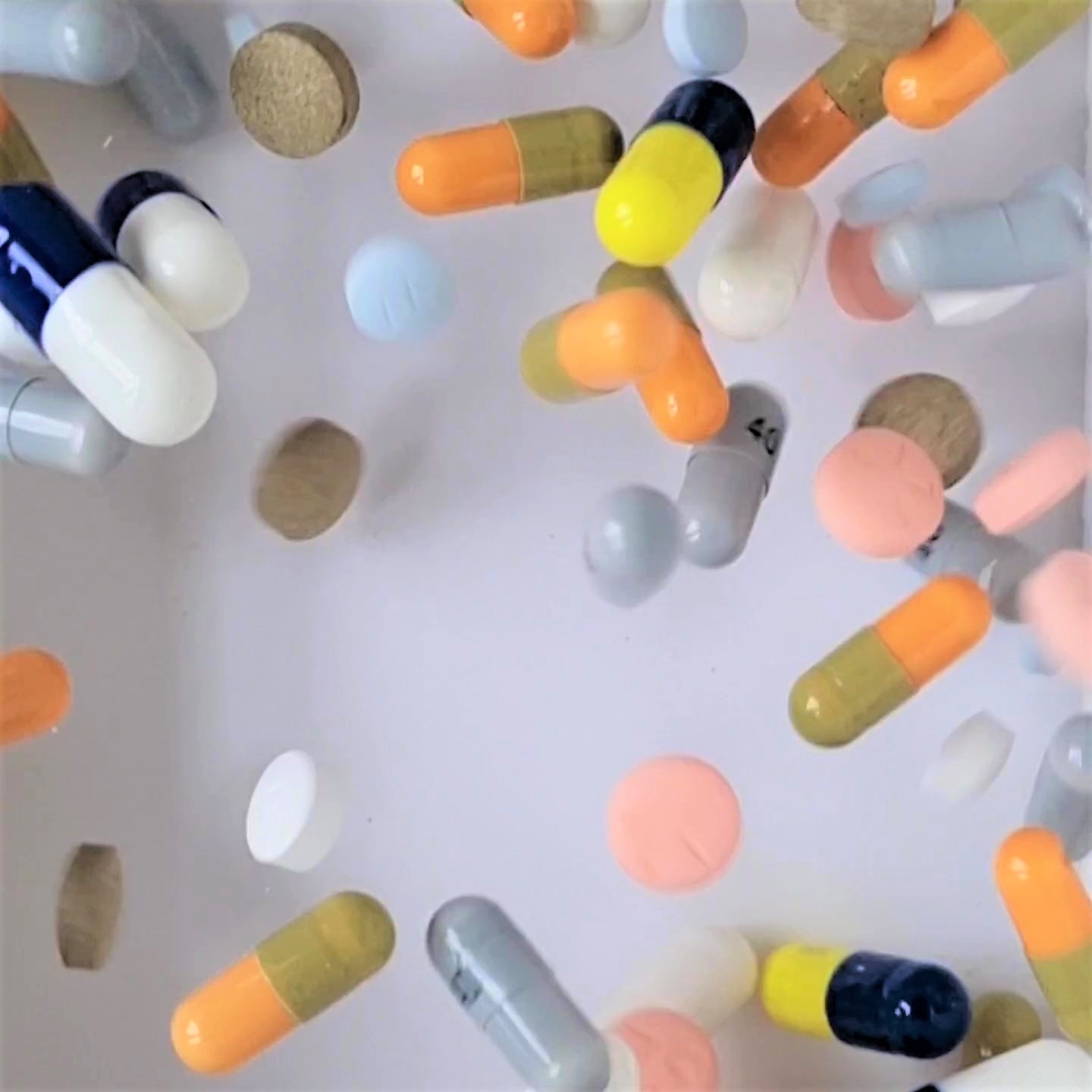
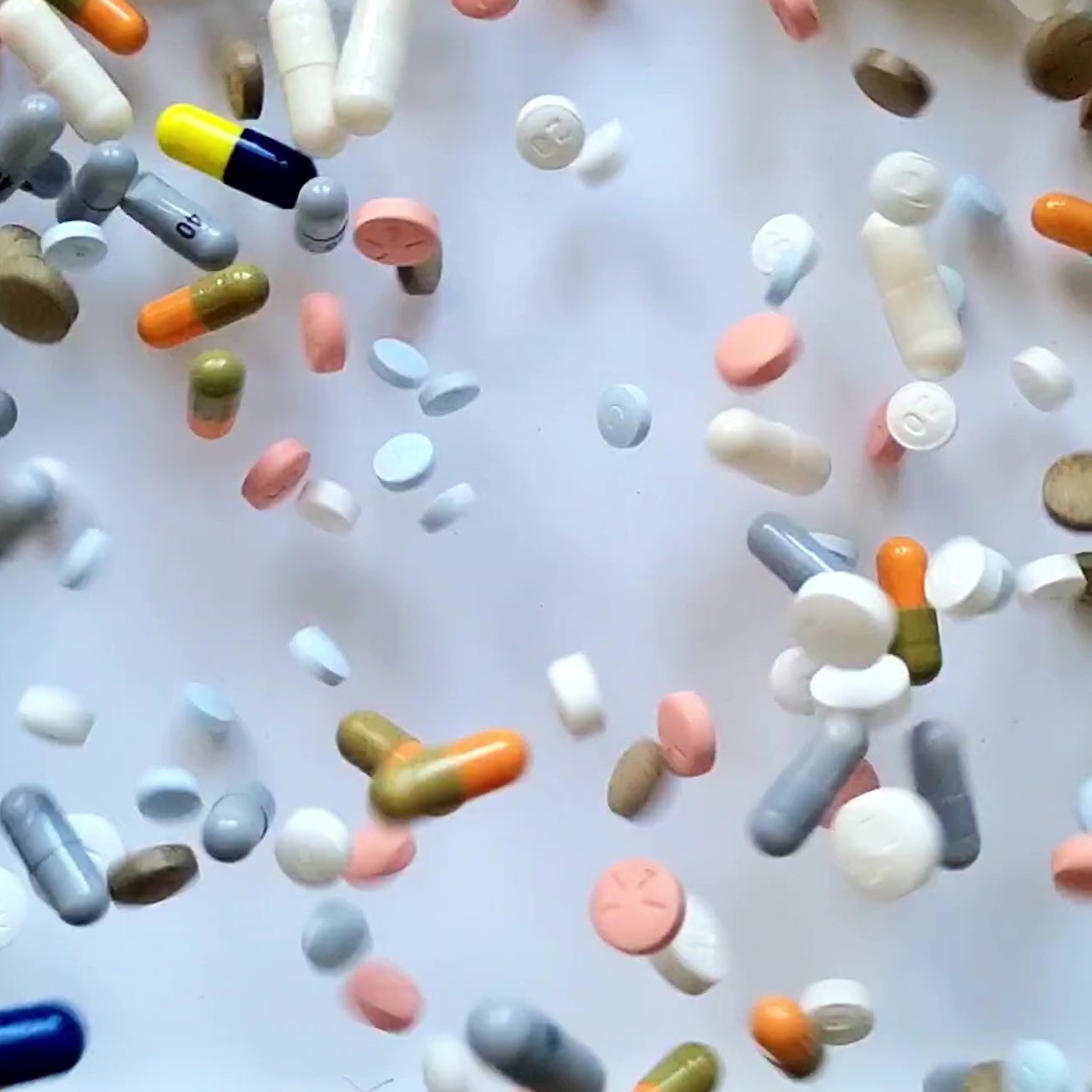
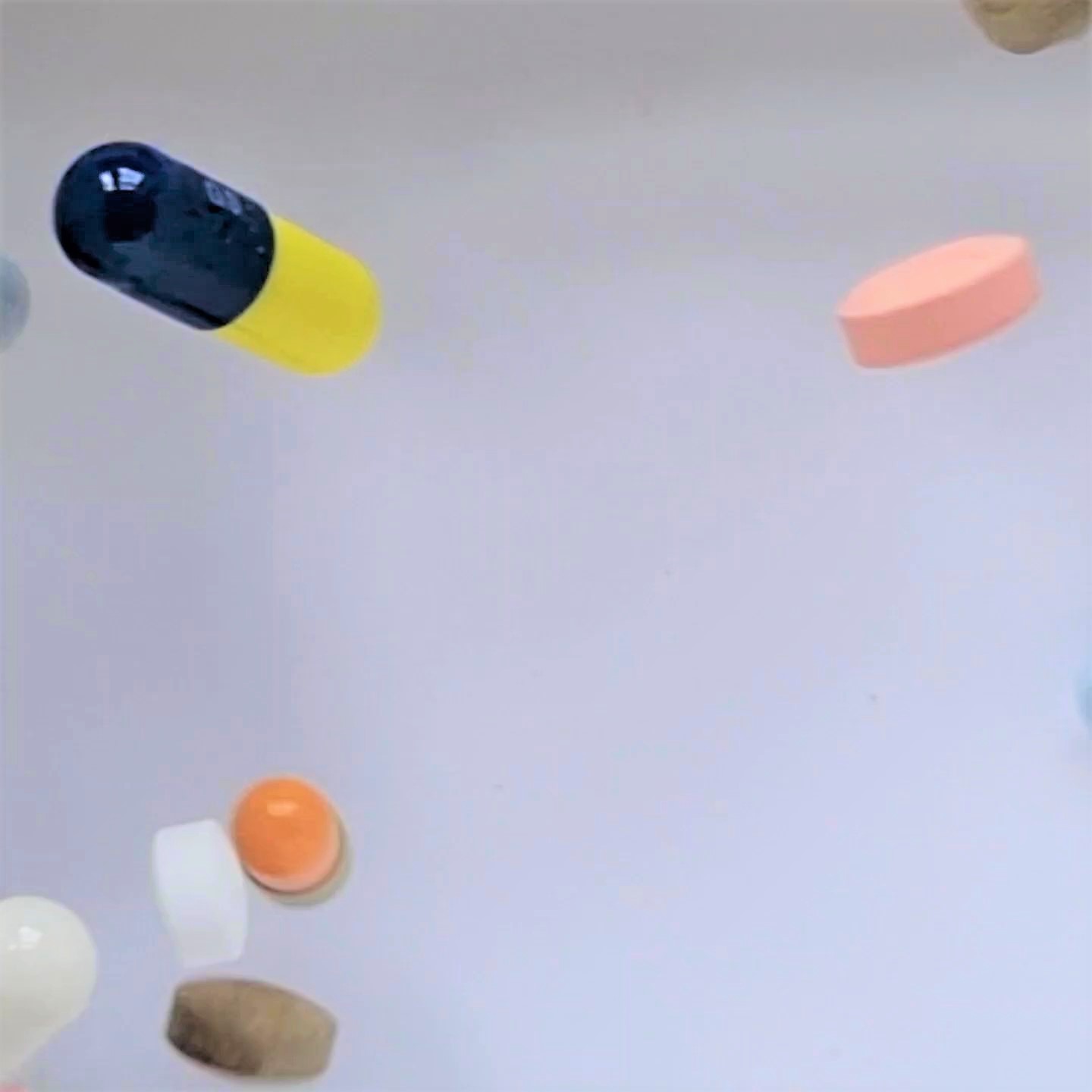
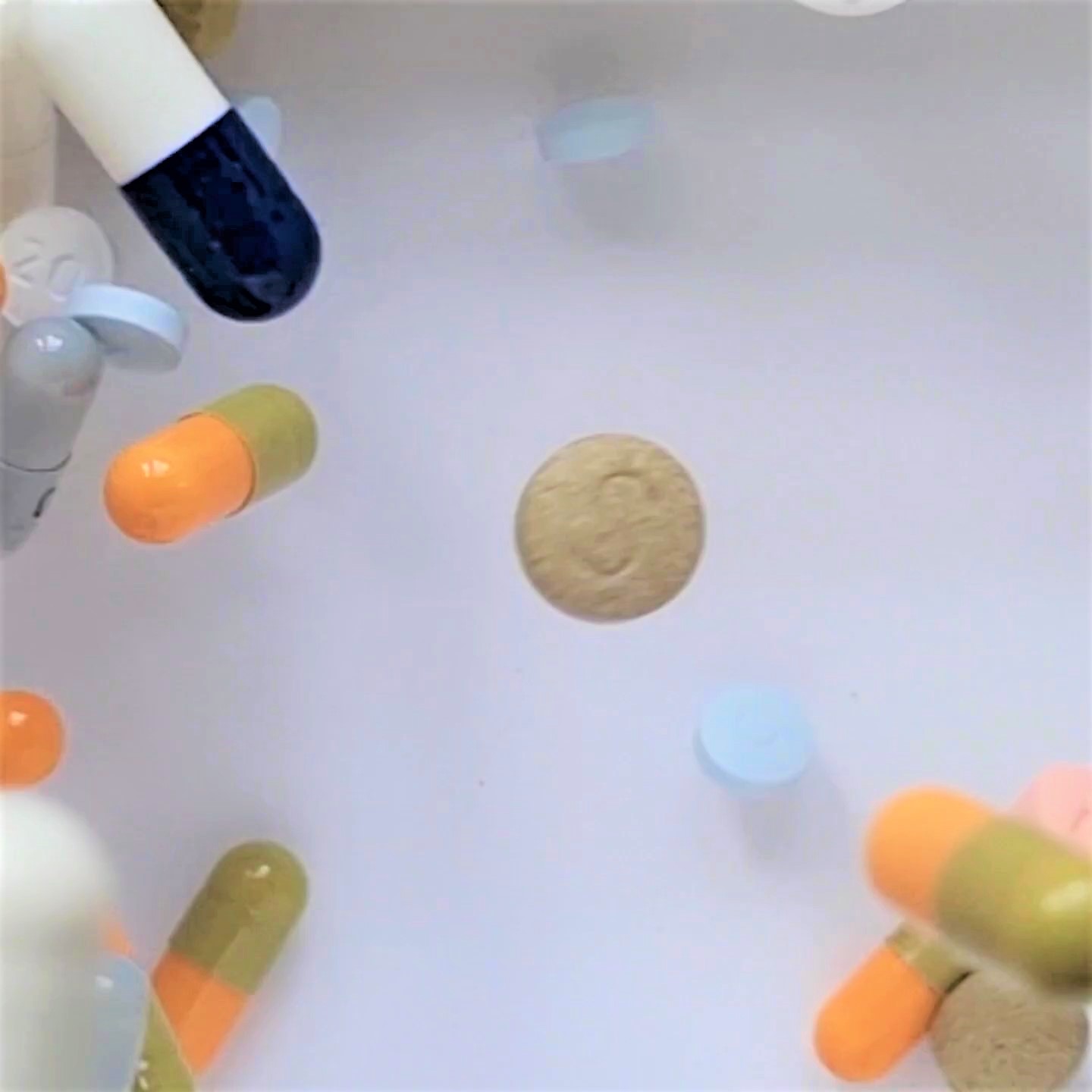
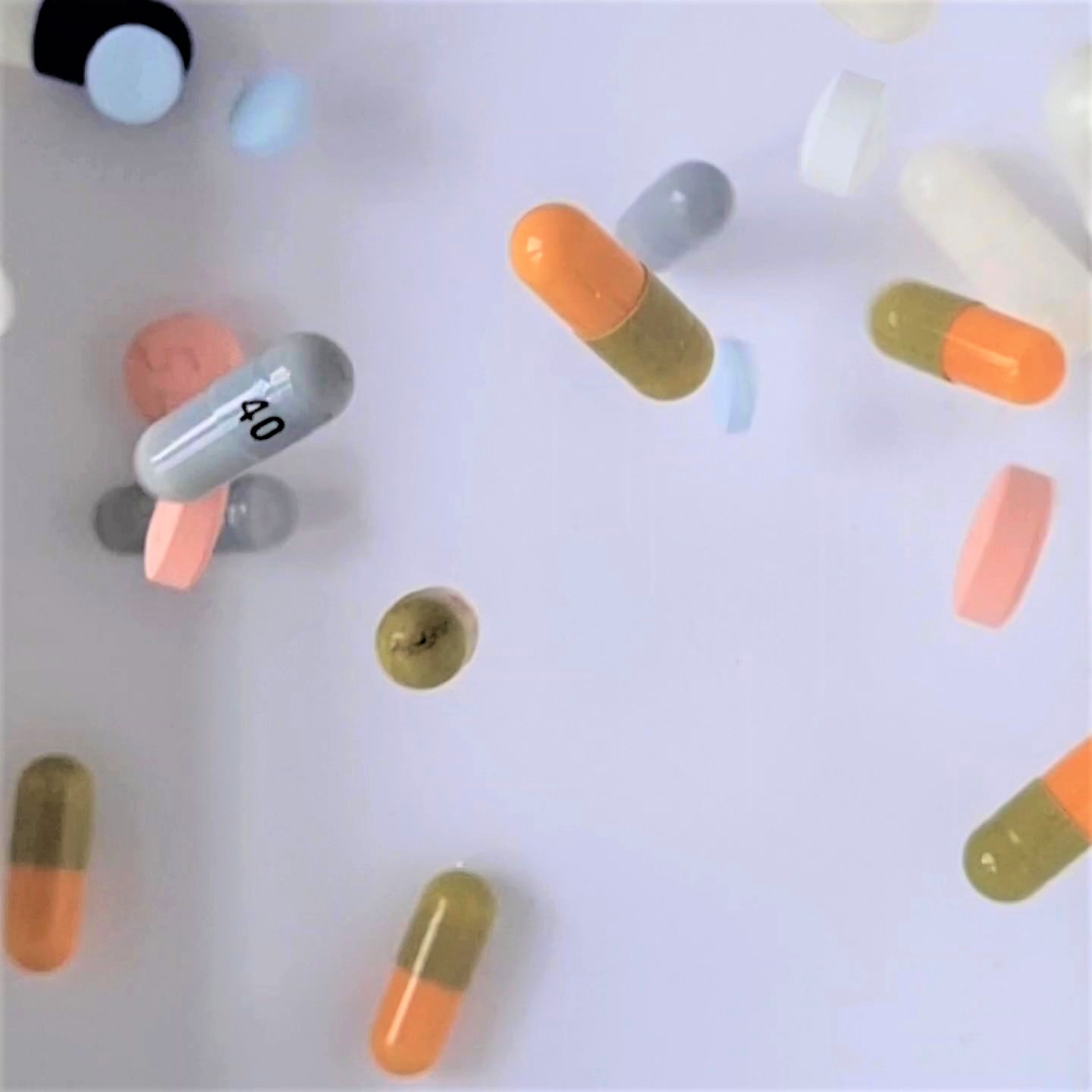
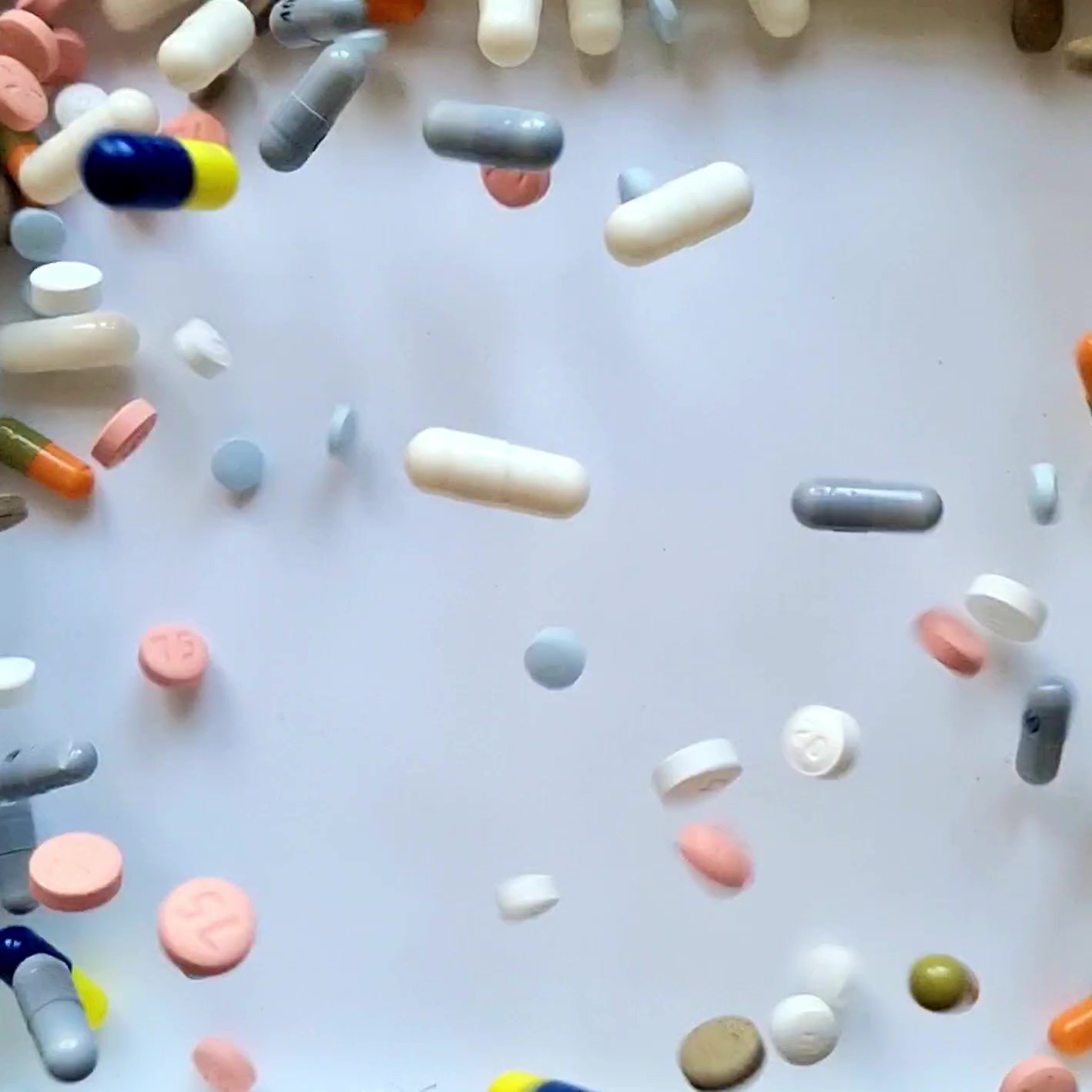
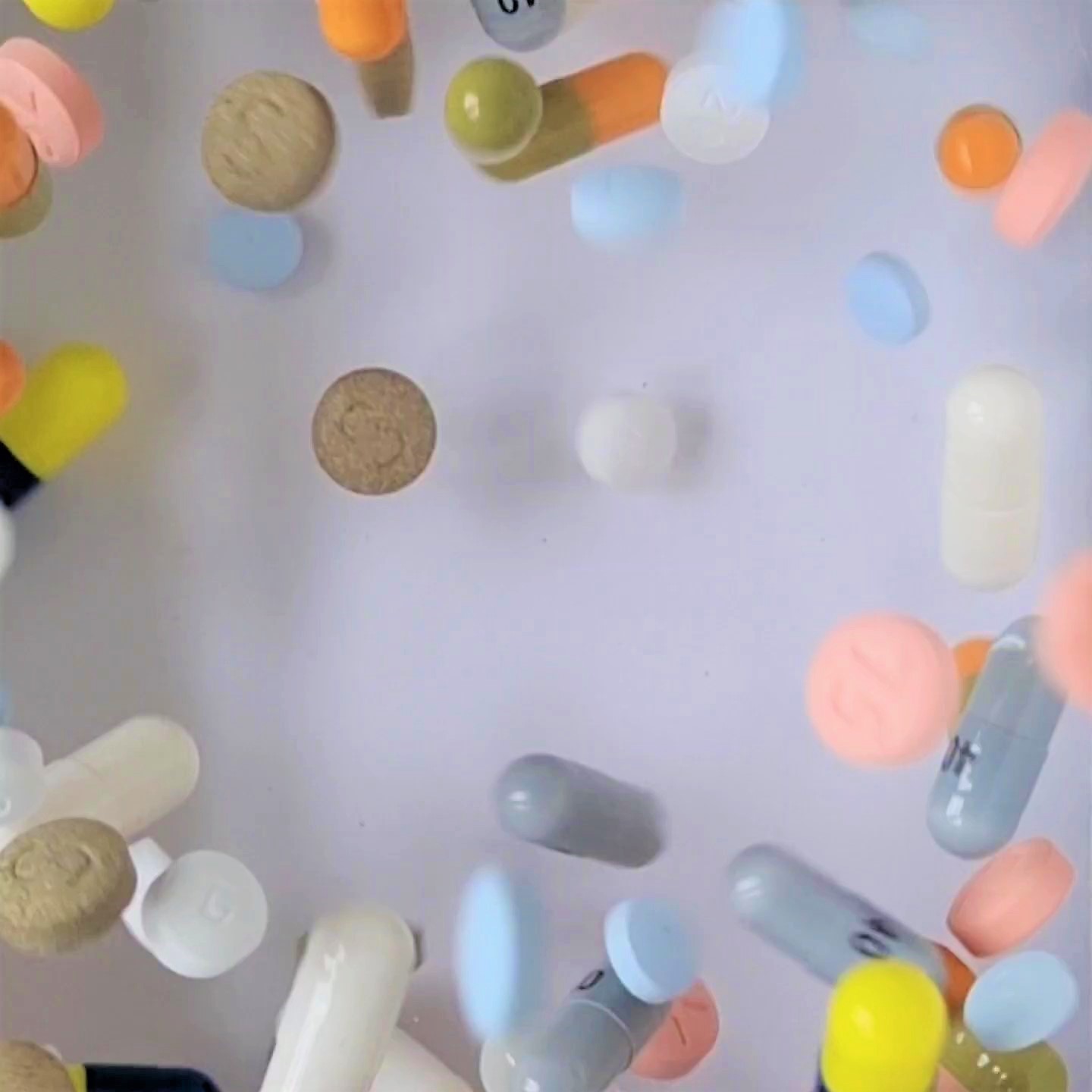
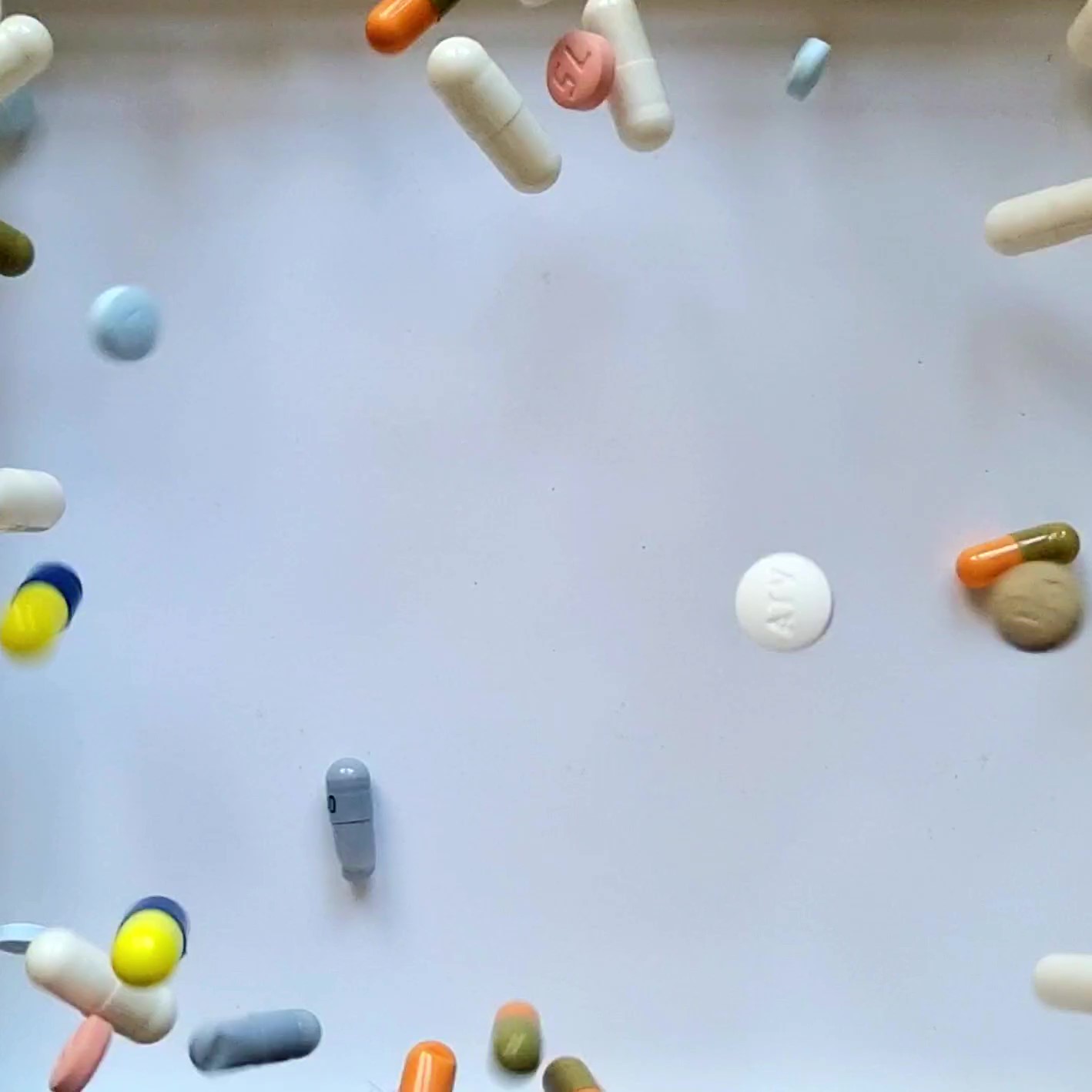
Early on I considered an alternative exhibition piece using greatly enlarged versions (floor to ceiling) of the prints Can’t You See That Less is More (sketch below) – but I decided that the braille work had more impact and nuance.
The piece below – Placebo effect – will not be part of the Degree Show exhibition but is another work in this series
Placebo effect Video with soundtrack Shot in 1:1 ratio Duration 51 secs
 Julia Hopkinson Studio Work